What Is Mimosa Root Bark? Uses, Benefits, and Why It’s So Popular Worldwide
In the expanding global botanical market, few plant materials have generated as much curiosity, demand, and respect as Mimosa Hostilis Root Bark. Known for its deep reddish-purple color, rich natural tannins, and centuries of traditional use, this remarkable botanical continues to attract researchers, herbal enthusiasts, artisans, skincare formulators, and natural product specialists from around the world. As online searches for Mimosa Hostilis Root Bark For Sale continue to increase, more people are looking for reliable information about what this plant actually is, how it has been used historically, and what makes premium root bark so valuable in today’s market.
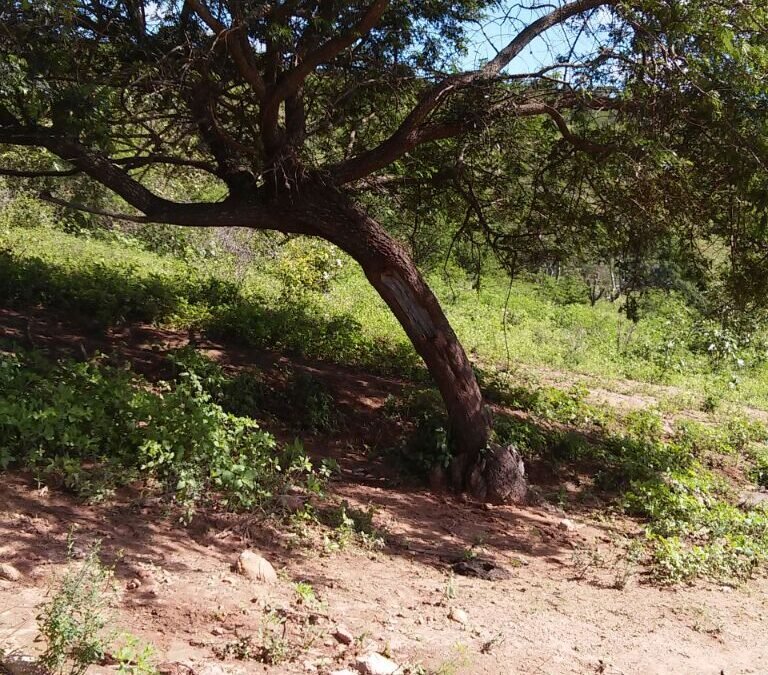
Mimosa Hostilis, scientifically known as Mimosa tenuiflora, is a perennial tree native primarily to regions of Brazil, Mexico, and parts of Central and South America. For generations, indigenous communities have recognized the plant for its botanical value, especially the root bark, which is widely known for its vibrant natural pigments, tannin content, and its place in traditional botanical practices. Today, this plant continues to gain global recognition not just because of its cultural significance, but because of its versatility across multiple industries including botanical research, natural dye production, traditional skincare applications, artisan soaps, and eco-conscious cosmetic formulations.
The reason so many people search for Mimosa Hostilis Root Bark For Sale is simple: it has become one of the most sought-after botanical materials in the natural products industry. Whether you’re a botanical collector, an artisan formulator, or someone interested in plant-based traditions, Mimosa Hostilis represents both heritage and premium botanical quality.
Understanding Mimosa Hostilis: A Botanical Treasure
Mimosa Hostilis is part of the Fabaceae family, commonly known as the legume family. The tree is highly resilient and thrives in dry climates, often found in nutrient-poor soils where other species struggle to survive. Despite harsh conditions, Mimosa Hostilis develops strong roots, dense bark, and a highly concentrated nutrient profile that contributes to its reputation in traditional botanical circles.
The root bark is the most valued part of the plant. When harvested responsibly and processed correctly, the bark develops its signature reddish-purple appearance, fibrous texture, and rich botanical aroma. These characteristics often indicate freshness, purity, and proper drying methods.
As consumer awareness around plant-based products continues to grow, demand for premium Mimosa Hostilis Root Bark For Sale has expanded internationally. Buyers are increasingly looking for ethically sourced bark that reflects both purity and sustainability.
Traditional Uses of Mimosa Hostilis Root Bark
One of the main reasons Mimosa Hostilis has remained relevant for centuries is its wide range of traditional applications. Across Latin America, the plant has historically been valued for multiple botanical and cultural purposes.
1. Traditional Botanical Practices
Indigenous communities have long respected Mimosa Hostilis as a sacred botanical resource. The bark has historically been integrated into plant-based traditions and cultural botanical preparations, often passed down through generations.
2. Natural Textile and Fabric Dyeing
One of the most practical uses of Mimosa Hostilis Root Bark lies in natural dyeing. The bark contains high levels of tannins and pigments that can produce rich, earthy shades ranging from red to purple to brown. Artisan textile makers and eco-conscious fashion creators often seek Mimosa Hostilis Root Bark For Sale for plant-based coloring applications.
3. Soap and Cosmetic Formulations
Natural skincare formulators have shown growing interest in Mimosa Hostilis due to its tannin-rich profile. It is commonly researched for use in:
- Artisan soaps
- Botanical skincare blends
- Herbal masks
- Natural beauty formulations
- Eco-conscious cosmetic experimentation
As clean beauty continues to dominate consumer trends, premium botanical ingredients like Mimosa Hostilis are becoming increasingly relevant.
Why Mimosa Hostilis Root Bark Is So Popular Worldwide
The popularity of Mimosa Hostilis has expanded significantly over the past decade. Several factors contribute to this growing demand.
Botanical Rarity
Unlike mass-produced herbs, authentic Mimosa Hostilis is sourced from specific geographic regions where climate, soil composition, and harvesting traditions all influence bark quality.
Growing Interest in Natural Products
Consumers worldwide are moving away from synthetic ingredients and exploring plant-based alternatives. Mimosa Hostilis aligns with:
- Sustainability
- Botanical authenticity
- Traditional plant knowledge
- Eco-conscious lifestyles
Search Demand and Online Discovery
Keywords such as:
- Mimosa Hostilis Root Bark For Sale
- Premium Mimosa Root Bark
- Brazilian Mimosa Hostilis
- Natural Root Bark Online
- Authentic Mimosa Hostilis Root Bark
continue gaining search volume globally, reflecting growing consumer awareness.
Key Benefits of Premium Mimosa Hostilis Root Bark
When properly sourced, premium Mimosa Hostilis root bark offers several characteristics valued by researchers and botanical enthusiasts.
Rich Tannin Content
Tannins are naturally occurring plant compounds often valued in botanical and artisan applications. High-quality bark typically contains concentrated tannins that contribute to color depth and formulation versatility.
Vibrant Natural Pigmentation
The reddish-purple coloration of fresh bark often indicates quality and freshness.
Fibrous Texture
Premium bark usually has:
- Strong fiber density
- Clean inner bark structure
- Minimal contaminants
- Properly dried consistency
Long Shelf Stability
When stored correctly, dried Mimosa Hostilis root bark can maintain its botanical integrity for extended periods.
How to Identify High-Quality Mimosa Hostilis Root Bark
When searching online for Mimosa Hostilis Root Bark For Sale, not all suppliers offer the same quality.
Here are some important indicators of premium bark:
Color
High-grade bark usually displays:
- Deep purple-red tones
- Rich reddish-brown inner fibers
- Minimal fading
Aroma
Fresh bark often has:
- Earthy scent
- Natural woody aroma
- No chemical odors
Texture
Premium bark should feel:
- Dry but not brittle
- Fibrous and dense
- Free of excess dust
Purity
Look for bark that is:
- Cleanly processed
- Free from fillers
- Free from mold or moisture damage
Brazilian Mimosa Hostilis: Why Origin Matters
Brazil is widely recognized as one of the most respected origins for premium Mimosa Hostilis. Climate, harvesting traditions, and soil conditions all contribute to bark quality.
Many buyers specifically search for:
- Brazilian Mimosa Hostilis Root Bark
- Premium Brazilian Root Bark
- Mimosa Hostilis Root Bark For Sale USA
- Authentic Brazilian Mimosa Bark
Origin matters because regional conditions influence:
- Pigment concentration
- Fiber density
- Tannin content
- Drying consistency
Sustainable Harvesting and Ethical Sourcing
As global demand rises, sustainability becomes essential.
Responsible suppliers focus on:
- Selective harvesting
- Root preservation practices
- Reforestation support
- Community partnerships
- Ethical land stewardship
Consumers increasingly want suppliers who respect both the plant and the communities connected to it.
How to Store Mimosa Hostilis Root Bark
Proper storage protects bark quality.
Best practices include:
- Store in airtight containers
- Keep away from direct sunlight
- Maintain cool, dry conditions
- Avoid excessive humidity
When stored correctly, premium bark can maintain quality for extended periods.
Who Buys Mimosa Hostilis Root Bark?
The customer base for Mimosa Hostilis is diverse.
Common buyers include:
Botanical Researchers
Studying plant composition and traditional applications.
Natural Product Formulators
Creating soaps, skincare, and artisan products.
Textile Artists
Using bark pigments for natural dye projects.
Botanical Collectors
Building collections of rare and culturally significant plant materials.
Why Online Searches for Mimosa Hostilis Root Bark For Sale Keep Growing
Several global trends contribute:
Natural Wellness Movement
Consumers increasingly prefer plant-based ingredients.
Artisan Craft Growth
More people create handmade:
- Soaps
- Skincare products
- Herbal preparations
- Textile dyes
Botanical Education
Search engines have made traditional plant knowledge more accessible.
Common Mistakes Buyers Make
When searching for Mimosa Hostilis Root Bark For Sale, many buyers make avoidable mistakes.
Choosing Price Over Quality
Low-cost bark often lacks freshness or purity.
Ignoring Origin
Geographic sourcing strongly influences quality.
Not Checking Reviews
Reputation matters in botanical sourcing.
Poor Storage After Delivery
Even premium bark can degrade if stored improperly.
Frequently Asked Questions
What is Mimosa Hostilis Root Bark?
Mimosa Hostilis Root Bark is the inner root bark of Mimosa tenuiflora, a botanical tree native to Brazil and other regions of Latin America.
Why is Mimosa Hostilis so popular?
Its traditional uses, rich natural pigments, tannins, and cultural heritage contribute to global demand.
What should premium bark look like?
Premium bark typically has a rich reddish-purple tone, dense fibers, and a clean earthy aroma.
How should Mimosa Hostilis be stored?
In airtight containers away from moisture, heat, and direct sunlight.
Why do people search for Mimosa Hostilis Root Bark For Sale?
Interest comes from botanical research, natural dyeing, artisan formulations, and plant-based product development.
Final Thoughts
The growing search demand for Mimosa Hostilis Root Bark For Sale reflects a broader movement toward authenticity, sustainability, and plant-based innovation. Whether valued for its botanical heritage, natural pigment properties, or traditional applications, Mimosa Hostilis continues to stand out as one of the world’s most respected natural materials.
For buyers, researchers, and artisans alike, understanding the plant’s origin, quality markers, and ethical sourcing practices is essential. As the market continues to grow, premium suppliers who prioritize transparency, sustainability, and consistent quality will continue to earn trust and long-term loyalty.
Mimosa Hostilis is more than just a botanical product—it represents centuries of traditional knowledge, ecological resilience, and the enduring global appreciation of nature’s most remarkable resources.