Blog
Mimosa Hostilis Root Bark For Sale: What It Is, Traditional Uses, Benefits, and Why It’s in High Demand Worldwide
What Is Mimosa Hostilis Root Bark? A Complete Guide to Its Origins, Uses, and Global Popularity
Introduction: Why Everyone Is Searching for Mimosa Hostilis Root Bark
In recent years, interest in Mimosa hostilis root bark has surged across botanical communities, natural dye enthusiasts, ethnobotany researchers, and plant collectors. The reason is simple: few plants have such a long-standing cultural history, unique chemical composition, and wide range of traditional applications.
But despite its growing popularity, many people still ask the same foundational question:
What exactly is Mimosa hostilis root bark, and why is it so widely discussed around the world?
To understand that, we need to explore the plant from the ground up—literally—starting with its origins, structure, traditional significance, and how it became one of the most recognized botanical materials globally.
1. The Mimosa Hostilis Plant: Botanical Overview
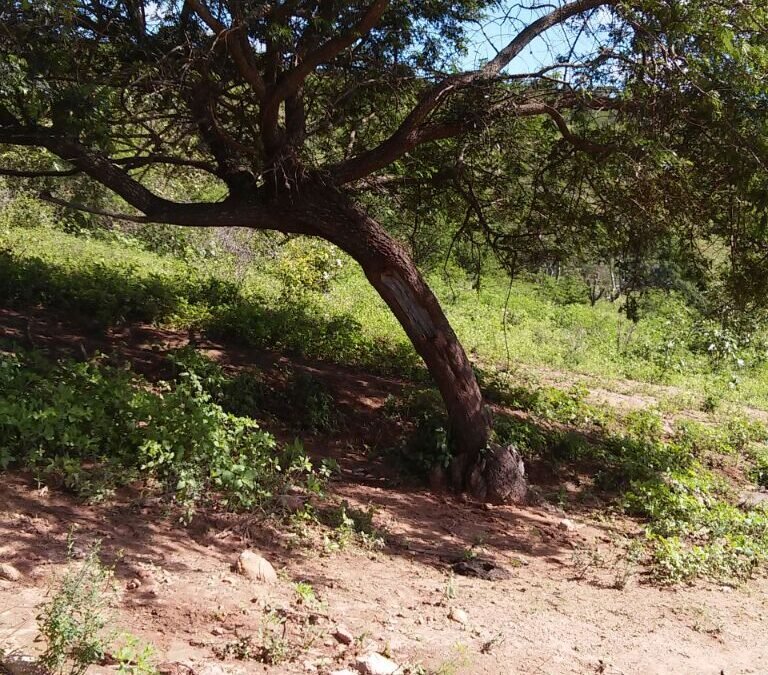
Mimosa hostilis, also known scientifically as Mimosa tenuiflora, is a perennial tree or shrub native to parts of:
Northeastern Brazil
Mexico
Central America
Some regions of South America
It belongs to the Fabaceae family (legume family), which is known for nitrogen-fixing plants that improve soil fertility and thrive in challenging environments.
Physical Characteristics
The Mimosa hostilis plant is relatively easy to identify once mature:
Thin, branching trunk structure
Fern-like compound leaves that fold at night
Small white or pale pink puffball flowers
Thorny stems in many wild varieties
A deeply developed root system
While the above-ground structure is modest, the underground root system is where the most historically valuable material comes from.
2. What Is Mimosa Hostilis Root Bark?
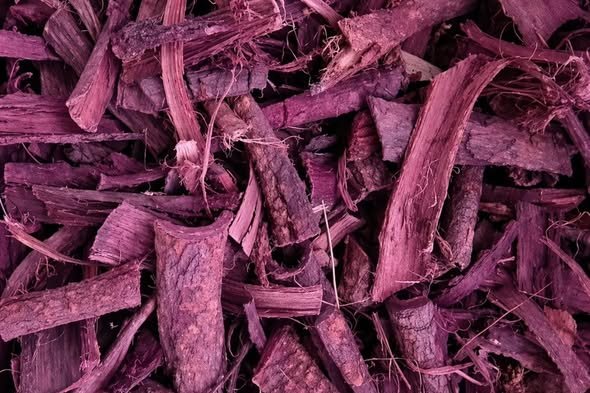
Mimosa hostilis root bark refers to the outer bark layer of the plant’s root system.
Unlike the trunk bark, root bark is:
Thicker
Richer in plant compounds
Darker in color (often reddish-brown or purple-toned)
Fibrous and dense
It has been traditionally harvested for centuries due to its durability and pigment-rich nature.
Why the Root Bark Specifically?
The root system of Mimosa hostilis contains a concentrated structure of natural compounds that differ from the above-ground parts of the plant. This is a common trait in many plants, where underground tissues store protective chemical properties.
This is one of the reasons the root bark became culturally and economically significant in certain regions.
3. Historical and Traditional Context
Mimosa hostilis has been part of indigenous and rural knowledge systems in parts of Brazil and Mexico for generations.
Historically, it has been used in:
Natural textile dyeing
Traditional skincare preparations (in folk practices)
Soil restoration and erosion control (due to nitrogen fixation)
Cultural and ceremonial botanical use in certain regions
It is important to note that these uses vary widely by geography and tradition, and modern understanding of the plant continues to evolve.
4. Why Mimosa Hostilis Became Globally Popular
The global interest in Mimosa hostilis root bark is not random—it is the result of several converging factors.
1. Natural Dye Interest
One of the most widely recognized properties of the root bark is its ability to produce strong, long-lasting natural pigments. This has made it especially attractive to:
Natural dye artists
Textile designers
Eco-fashion brands
Craft communities
The rich red and purple tones derived from the bark have helped it stand out among natural dye plants.
2. Ethnobotanical Research
Researchers studying traditional plant use systems have documented Mimosa hostilis due to its long history in indigenous environments.
This academic interest has increased global awareness and demand for the plant as a subject of botanical study.
3. Sustainability Conversations
As industries shift toward more natural and plant-based materials, Mimosa hostilis has gained attention for:
Its regenerative growth cycle
Its ability to grow in poor soils
Its role in ecosystem restoration
This has positioned it as part of broader discussions about sustainable plant resources.
4. Online Globalization of Botanical Knowledge
The internet has dramatically accelerated awareness of niche plants. What was once regionally known is now globally searchable, leading to increased curiosity about root bark materials, especially among:
Plant enthusiasts
Herbal researchers
Natural product communities
5. How Mimosa Hostilis Root Bark Is Harvested
One of the most important aspects of understanding this plant is how the root bark is collected.
Sustainable Harvesting Practices
In responsible sourcing systems, the plant is not destroyed during harvest. Instead:
Mature plants are selected
Only portions of the root bark are carefully removed
The core root system is left intact
The plant is allowed to regenerate over time
This method ensures long-term sustainability and reduces environmental impact.
Why Sustainable Harvesting Matters
Overharvesting any plant species can lead to ecosystem imbalance. Proper harvesting techniques ensure:
Continued plant regrowth
Soil health preservation
Stable supply chains
Ethical sourcing practices
6. Processing: From Raw Bark to Usable Forms
After harvesting, Mimosa hostilis root bark is typically processed into different formats depending on intended use.
Whole Root Bark
This is the least processed form:
Large, intact pieces
Minimal handling after drying
Retains full structural integrity
Often preferred by those who want raw botanical material in its most natural form.
Shredded Root Bark
Shredded bark is cut into smaller strips:
Easier to store and measure
More uniform than whole bark
Balanced between raw and processed
This is one of the most commonly distributed forms in botanical markets.
Powdered Root Bark
Powdered bark is finely milled:
Smooth and consistent texture
Easy to measure and blend
Most processed form available
This format is often used where consistency and ease of use are important.
7. What Makes High-Quality Root Bark
Not all Mimosa hostilis root bark is the same. Quality depends on several factors:
Key Indicators of Quality
Proper natural drying (not chemically treated)
Clean harvesting (minimal contamination)
Mature root sourcing
Rich natural color (deep brown/red tones)
Fibrous, intact structure in whole/shredded forms
Lower quality material may appear overly dry, dusty, or inconsistent in texture.
8. Misconceptions About Mimosa Hostilis
As popularity grows, so do misunderstandings.
Common Misconceptions
Misconception 1: It is a modern synthetic product
→ In reality, it is a naturally occurring plant material used for centuries.
Misconception 2: All root bark is the same
→ Quality varies significantly based on sourcing and processing.
Misconception 3: It is only used for one purpose
→ It has multiple traditional, ecological, and artistic applications.
9. Environmental Importance of Mimosa Hostilis
Beyond human use, the plant plays a role in its native ecosystems.
Improves soil fertility through nitrogen fixation
Helps prevent erosion in dry climates
Supports biodiversity in degraded soils
Regenerates quickly in suitable environments
These traits make it ecologically valuable beyond its commercial interest.
10. Why People Continue Searching for Mimosa Hostilis Root Bark
Search trends show consistent global interest due to:
Botanical curiosity
Natural dye applications
Ethnobotanical studies
Sustainable material sourcing
Educational research
This sustained curiosity is what keeps the plant relevant across industries and communities.
Conclusion: A Plant Rooted in History, Ecology, and Global Curiosity
Mimosa hostilis root bark is more than just a botanical material—it is part of a broader story involving ecology, tradition, sustainability, and modern scientific interest.
From its deep-growing root system to its rich historical use and modern applications, it remains one of the most fascinating plant materials studied and discussed today.
Understanding it properly allows for more responsible appreciation, better sourcing decisions, and a deeper respect for the ecosystems it comes from.